
WTR Compliance: Automated Tracking, Zero Tribunal Risk
WTR compliance software automatically tracks working hours against the Working Time Regulations 1998. It alerts managers before 48-hour breaches, aggregates hours across sites, and generates statutory reports for audits.
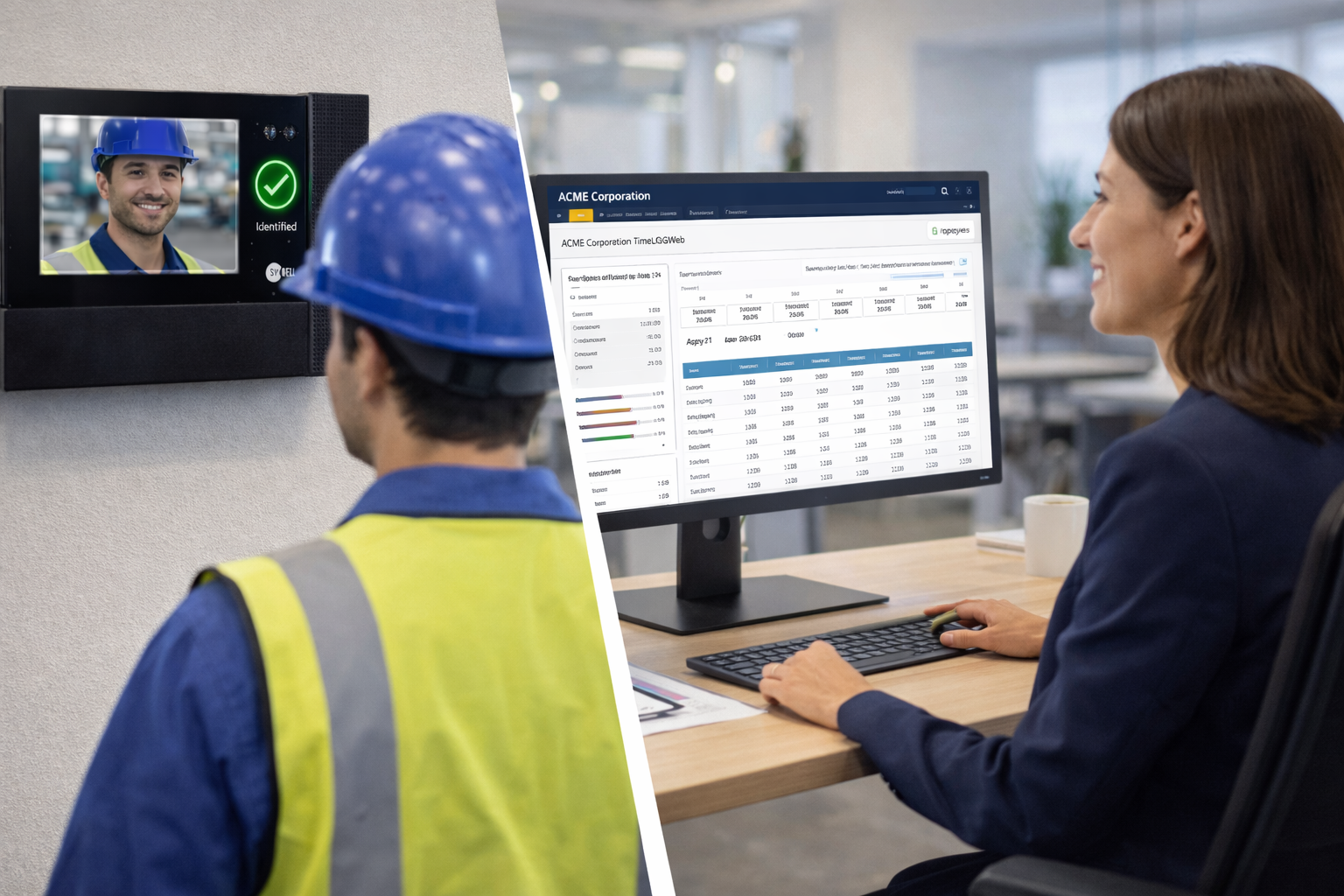
The reality today
Tracking WTR compliance manually is an honour system at best. Managers don't see total hours across sites. Overtime requests get approved without checking cumulative limits. Rest periods between shifts go unmonitored. Then someone reports a breach, a tribunal finds against you, and the average award is over £30,000. You didn't even know there was a problem.
Prevent Breaches
Real-time alerts before limits are breached. Adjust schedules proactively, not after tribunal claims.
Multi-Site Visibility
Hours aggregated across all sites. No more accidental breaches from staff covering different locations.
Audit Ready
Statutory reports generated on demand. Evidence ready for inspectors, auditors, and legal proceedings.
Protect Your People
WTR exists to prevent fatigue and accidents. Automated compliance protects employee health and safety.
Key Features
Everything you need, built in.
How Time & Attendance Works
From clocking in to payroll-ready data in a few simple steps.
Track Hours
System tracks all clocked hours, breaks, and rest periods automatically.
Aggregate
Hours aggregated across all sites over the 17-week reference period.
Alert
Managers alerted when employees approach 48-hour or rest period limits.
Enforce
Break compliance flagged. Scheduling blocked when it would breach regulations.
Report
Statutory WTR reports generated on demand for audits and tribunals.
Built for Your Sector
About WTR Compliance
The Working Time Regulations protect employee health and safety by limiting working hours—but tracking compliance manually is nearly impossible. Synel automates WTR monitoring, alerting managers before breaches occur and generating the statutory reports you need for audits and tribunals. Breaches average over £30,000 per case. Automation is cheaper.
What the Regulations Require
The Working Time Regulations 1998 set specific limits: employees must not work more than 48 hours per week on average (usually calculated over a 17-week reference period). They're entitled to 11 hours daily rest between shifts, adequate weekly rest, and a 20-minute break if the working day exceeds 6 hours. Night workers face additional limits. Young workers under 18 have stricter rules—12 hours rest and no night work.
Real-Time Breach Alerts
The system tracks hours cumulatively and alerts managers when an employee's schedule or actual worked hours approach the 48-hour limit. You see the problem before it becomes a breach—adjust rosters, decline overtime requests, or redistribute workload. Prevention, not damage control.
Cross-Site Hour Aggregation
For multi-site operations—FM providers, retail chains, logistics networks—this is critical. If an employee works at Site A on Monday and covers a shift at Site B on Tuesday, Synel aggregates their total hours across the entire portfolio. Standard systems miss this, leading to accidental breaches when staff cover at different locations.
Break Enforcement
In manufacturing environments, the system can enforce break compliance rules—flagging if a worker hasn't clocked out for their mandatory 20-minute break after 6 hours. This provides an audit trail for health and safety inspections and protects against fatigue-related accidents.
Rest Period Monitoring
Track the 11-hour daily rest requirement between shifts. If someone finishes at 11pm, the system flags any shift starting before 10am the next day. Night worker limits are monitored separately with their own thresholds and alerts.
Statutory Reporting
Generate Working Time Directive Weekly Summary and Detailed reports on demand. These provide the evidentiary proof required during tribunal or audit scenarios. When an inspector asks for records, you produce them in minutes rather than scrambling through spreadsheets.
ECJ Recording Requirements
The European Court of Justice requires employers to maintain an objective, reliable, and accessible system measuring the duration of time worked by each employee every day. Synel provides exactly that—automated, accurate, and always audit-ready.


8,000+
Employees managed
45
Biometric devices
Olam Group: Biometric T&A for 8,000+ Plantation Workers in Africa
Global agri-business scaled from 1,000 to 8,000+ employees in remote Gabon plantations with biometric T&A.
Discover the full results Olam Group achieved with Synel's solution.
Related Time & Attendance Solutions
Explore more solutions that work together.
Rules Engine
Automatically apply complex pay rules to clocked hours without spreadsheets or errors.
Shift Scheduling
Plan shifts visually, match skills to demand, and avoid rota conflicts before they happen.
Overtime Calculation
Automatic overtime calculation that removes manual spreadsheets and payroll deadline stress.
Time & Attendance FAQs
Common questions about time & attendance answered.
How does the system help with Working Time Regulations compliance?
The system automates tracking of the 48-hour working week, 11-hour daily rest periods and mandatory break compliance. Real-time alerts notify managers when employees approach limits, allowing roster adjustments before breaches occur.
For multi-site operators, it aggregates working hours across all locations. This is critical because standard systems often miss breaches when staff cover shifts at different sites.
Statutory reports provide evidence for audits and tribunals.
What is a time and attendance rules engine?
A rules engine is the software logic that converts raw clocking data into accurate net pay. Unlike basic systems that just record start and finish times, Synel's rules engine automatically calculates shift differentials, overtime thresholds, grace periods and break deductions.
This ensures gross-to-net hours are calculated accurately before data is sent to payroll, eliminating manual calculations and spreadsheet errors.
The complexity of this logic is why major payroll providers like Iris and Cascade partner with Synel rather than building it themselves.
Can the system handle complex shift patterns and manufacturing rosters?
Yes. The system is specifically designed for sectors like manufacturing and logistics that rely on hourly-paid workers with complex shifts.
It supports advanced scheduling based on skills and availability, and automatically applies specific pay rules to different shifts. Nights, weekends, bank holidays and overtime thresholds are all handled automatically.
The rules engine handles scenarios that spreadsheets routinely get wrong, such as an employee working 30 actual hours but being paid for 42.6 weighted hours due to shift premiums.
See WTR compliance tracking in action
Book a demo to see how Synel can streamline your operations and deliver measurable ROI.
Trusted by industry leaders