Lockdown & Invacuation: Secure Your Site In Seconds
Lockdown secures perimeter doors to keep threats out. Invacuation moves people from external areas to interior safe zones. Both integrate with access control for instant response.
The reality today
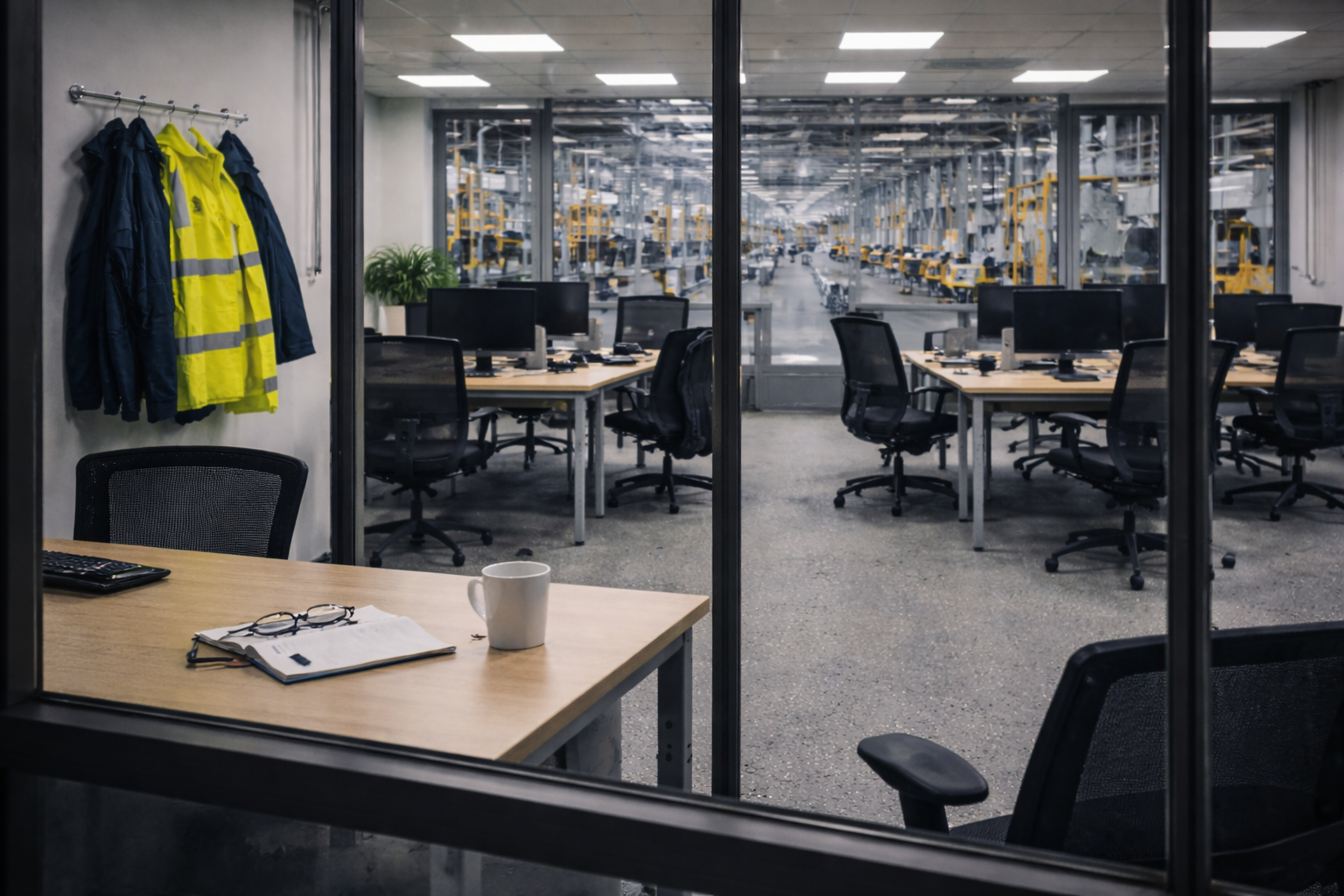
An incident occurs outside. You need to secure the building immediately. Staff run to lock doors manually. Some doors are propped open. The PE class is still on the field. Nobody knows if all entrances are secure. Communication relies on someone remembering to use the PA.
Instant Response
Lockdown activates in seconds. No manual door locking.
Clear Communication
Staff receive mobile alerts with instructions. Everyone knows what to do.
Flexible Zones
Lock the whole site or specific zones depending on the threat.
Prove Readiness
Drill reports demonstrate compliance to regulators and insurers.
Key Features
Everything you need, built in.
How Emergency Mustering Works
Know exactly who is on site when it matters most.
Trigger
Lockdown triggered via button, app or automatically.
Doors Lock
Access control locks designated doors instantly.
Alerts Sent
Staff receive mobile alerts with emergency type and instructions.
Monitor Zones
Central dashboard shows door status and zone occupancy.
All Clear
When safe, release lockdown. System logs everything for audit.
Built for Your Sector
About Lockdown & Invacuation
Fire evacuation moves people out. But some threats require the opposite response. Lockdown secures the perimeter to keep dangers outside. Invacuation brings people from external areas into protected interior zones. Both require instant action and clear communication.
Lockdown
Lockdown secures all perimeter access points immediately. External doors lock to prevent entry. Depending on the threat, internal doors may remain operational to allow movement to safe areas, or lock down completely to isolate zones. Triggered from a central point, panic button or automatically.
Invacuation
Invacuation is the reverse of evacuation. Instead of moving people outside, you bring them in from playgrounds, car parks and external areas to protected interior zones. Used when the threat is outside, such as a chemical spill or dangerous weather.
Instant Activation
Access control executes lockdown in seconds. No running around locking doors manually. No relying on people to remember procedures under pressure. The system handles the physical security while staff focus on people.
Staff Alerts
When lockdown activates, designated staff receive instant alerts via mobile app. Alerts include the type of emergency and instructions. Everyone knows what is happening and what to do without relying on PA systems that may not reach all areas.
Zone Control
Different scenarios require different responses. A threat in one building may require locking that building while keeping others operational. The system supports zone-based lockdown, allowing targeted response rather than all-or-nothing.
Martyn's Law Compliance
Martyn's Law requires venues to have procedures for responding to terrorist threats. For enhanced tier venues (800+ capacity), this includes lockdown capability. Synel's access control provides the infrastructure to meet these requirements.
Schools
Schools increasingly practice lockdown drills alongside fire drills. The system locks perimeter gates and external doors while allowing internal movement. Teachers receive alerts on their phones. Office staff can see who is in each zone.
Drill and Audit
Run lockdown drills and generate reports showing response times and door status. Demonstrate to Ofsted, insurers and regulators that procedures are in place and tested. Identify weaknesses before a real incident.
Buyer's guide
Martyn's Law readiness: a multi-site guide
- 01 Understanding the tiers
- 02 Lockdown and invacuation
- 03 Real-time mustering
- 04 Centralised visibility
- 05 Extending the security ecosystem
- 06 Why implementation matters for life safety
Free · No signup required
Martyn's Law readiness, across every site you manage.
How to deploy lockdown, invacuation, and real-time mustering across an entire portfolio, not just your headquarters.
Related Emergency Mustering Solutions
Explore more solutions that work together.
How Emergency Mustering Works
Emergency mustering uses RFID or card readers at muster points to track employees during evacuations...
Fire Roll
Fire roll uses clocking and access control data to generate instant evacuation lists. Know exactly w...
Martyn's Law Compliance
Lockdown, invacuation and occupancy tools to support Martyn’s Law compliance.
Emergency Mustering FAQs
Common questions about emergency mustering answered.
What is the difference between lockdown and invacuation?
Fire evacuation gets people out. Lockdown and invacuation keep them safe inside.
Invacuation moves people to interior safe zones away from an external threat, such as a chemical spill or hostile person outside. Lockdown secures perimeter doors while potentially allowing internal movement, or isolates specific zones to contain a threat.
Martyn's Law requires venues to have procedures for all three scenarios. Synel's access control can execute any of these protocols automatically.
What is Martyn's Law and how does it affect my business?
Martyn's Law (Terrorism Protection of Premises Act) requires venues to have protective security measures.
Standard tier (200-799 capacity) requires documented procedures for evacuation, invacuation and lockdown. Enhanced tier (800+) requires physical access control, security measures and compliance with SIA requirements.
Synel solutions provide the real-time headcount, access control and audit trails needed for compliance.
How does emergency mustering work?
Emergency mustering provides instant roll call during evacuations. When a fire alarm activates, the system generates a real-time list of everyone on site based on access control and clocking data.
Fire marshals can mark individuals as safe using mobile devices or muster point readers. A central dashboard shows who is accounted for (Safe), who has not checked in (At Risk), and last known locations.
This replaces paper-based roll calls with real-time, accurate headcount data.
See lockdown and invacuation in action
Book a demo to see how Synel can streamline your operations and deliver measurable ROI.
Trusted by industry leaders